
Best Life Therapy Blogs - Grief, Anxiety, Stress & More

- posted: Feb. 26, 2025
Today's blog is about a disease that has impacted so many people. It is a disease I understand because it has personally impacted my own family, Alzheimer's Disease. As I write this, my mother is currently in the late stages of this horrific disease. In 2020, right before Covid, she was placed in memory care. Her disease had worsened, and she had gotten locked outside of her apartment as she prepared to wander away on a cold winter night. It was no longer safe for her to live in the community.
If you have never had a loved one impacted by dementia, when you hear the word dementia you might think this is normal forgetfulness that happens when we age. While there is a certain amount of forgetfulness that happens as we age, dementia symptoms are progressive meaning that a person will slowly and gradually get worse. Watching a person decline is like watching thousands of losses happen in our loved one. We grieve each of those losses as we watch them slowly slip away. The decline can go on for years until your loved one becomes child-like.
Most people know that Alzheimer's Disease is a form of dementia. There are many other different types of dementia for example, vascular, Lewy Body, Frontotemporal and more. According to the Alzheimer's Association, 6.7 million Americans aged 65 and older are living with the disease which is 10.9% of people aged 65 older. As we age, the risk increases to 33% of people over the age of 85. There is new research happening all the time and hopefully there will someday be a cure for this devastating disease.
Caring for someone with Alzheimer's and dementia can be emotionally exhausting. Caregivers often report high rates of depression and burnout. Upon learning that a loved one has any type of disease that has no cure, we begin to grieve. This type of grief is called anticipatory grief. Long before the loved one dies; those who care about the person begin to feel this constant heaviness, intense sadness and experience feelings of hopelessness. It is common for caregivers to deal with shock, irritability, anger, sleep difficulties and an overwhelming fear that they too could someday be impacted by this disease.
Knowing the situation is not going to improve, inevitably causes people to brace themselves for the dreaded day on which our loved one does not remember who we are. That is a day of intense grief and sadness. It's a day that is flooded with intense sadness. A day we will never forget. Inevitably, it is a part of the disease. We feel helpless as we watch the loss of mobility in our loved one. Eventually, we begin to see a lack of communication which begins when their words do not make sense. This is referred to as word salad. Many people with this disease lose their ability to feed themselves. Their independence is stripped from them. We know that nobody would ever want this for themself. For some of us, we watch a grandparent, a father, brother, sister, aunt or uncle suffer from this disease. For some of us, it is our mother. The following poem was beautifully written by Joann Snow Duncanson. She describes the experience of having a mother with this disease perfectly. If you've had a mother with dementia, this poem can be difficult to read so grab your tissues and take comfort in knowing that you are not alone in what you have been forced to deal with.
TWO MOTHERS REMEMBERED
"I had two mothers - two mothers I claim, two different people, yet with the same name. Two separate women, diverse by design, but I loved them both because they were mine. The first was the mother who carried me here, gave birth, nurtured me and launched my career.
She was the one whose features I bear, complete with the facial expressions I wear. She gave her love, which follows me yet, along with examples in life she has set. As I got older, she somehow younger grew, and we'd laugh as just mothers and daughters do.
But then came the time that her mind clouded so, and I sensed that the mother I know would soon go. So quickly she changed and turned into the other, a stranger dressed in clothes of my mother.
Oh, she looked the same, at least at arm's length, but now she was the child and I was her strength.
We'd come full circle, we woman three, my mother the first, the second, and me. And if my own children should come to a day when a new mother comes and the old goes away. I'd ask them nothing that I didn't do. Love both your mothers as both have loved you."
If you're wiping away tears right now, remember that it is okay. Grief does not feel good, but we experience it because we are human, because we love. It's part of what we are supposed to feel when someone we love has died or is slowly fading away. Navigating these stages of grief can be difficult especially when they go on for years. If you are struggling with grief, it is okay to seek out support.
Finding a therapist who specializes in grief and trauma can help. Check out the grief page on our website for additional resources. If you need support, Best Life Therapy is here to help you. We offer online scheduling so new clients can request initial appointments online. This blog was written by the CEO of Best Life Therapy, Vicky Alvarez. This was a difficult blog to write and to post publicly. We hope her story helps others. Sometimes it helps to know that we are not alone. We have several therapists who specialize in grief with immediate, remote openings on their schedule. If you need help, visit our website, email [email protected] or use the contact form on our website to request your initial appointment, https://bestlifetherapy.net. You don't have to try to cope with this on your own. Best Life Therapy is honored to support you.
- posted: Feb. 26, 2025
Today's blog is about a disease that has impacted so many people. It is a disease I understand because it has personally impacted my own family, Alzheimer's Disease. As I write this, my mother is currently in the late stages of this horrific disease. In 2020, right before Covid, she was placed in memory care. Her disease had worsened, and she had gotten locked outside of her apartment as she prepared to wander away on a cold winter night. It was no longer safe for her to live in the community.
If you have never had a loved one impacted by dementia, when you hear the word dementia you might think this is normal forgetfulness that happens when we age. While there is a certain amount of forgetfulness that happens as we age, dementia symptoms are progressive meaning that a person will slowly and gradually get worse. Watching a person decline is like watching thousands of losses happen in our loved one. We grieve each of those losses as we watch them slowly slip away. The decline can go on for years until your loved one becomes child-like.
Most people know that Alzheimer's Disease is a form of dementia. There are many other different types of dementia for example, vascular, Lewy Body, Frontotemporal and more. According to the Alzheimer's Association, 6.7 million Americans aged 65 and older are living with the disease which is 10.9% of people aged 65 older. As we age, the risk increases to 33% of people over the age of 85. There is new research happening all the time and hopefully there will someday be a cure for this devastating disease.
Caring for someone with Alzheimer's and dementia can be emotionally exhausting. Caregivers often report high rates of depression and burnout. Upon learning that a loved one has any type of disease that has no cure, we begin to grieve. This type of grief is called anticipatory grief. Long before the loved one dies; those who care about the person begin to feel this constant heaviness, intense sadness and experience feelings of hopelessness. It is common for caregivers to deal with shock, irritability, anger, sleep difficulties and an overwhelming fear that they too could someday be impacted by this disease.
Knowing the situation is not going to improve, inevitably causes people to brace themselves for the dreaded day on which our loved one does not remember who we are. That is a day of intense grief and sadness. It's a day that is flooded with intense sadness. A day we will never forget. Inevitably, it is a part of the disease. We feel helpless as we watch the loss of mobility in our loved one. Eventually, we begin to see a lack of communication which begins when their words do not make sense. This is referred to as word salad. Many people with this disease lose their ability to feed themselves. Their independence is stripped from them. We know that nobody would ever want this for themself. For some of us, we watch a grandparent, a father, brother, sister, aunt or uncle suffer from this disease. For some of us, it is our mother. The following poem was beautifully written by Joann Snow Duncanson. She describes the experience of having a mother with this disease perfectly. If you've had a mother with dementia, this poem can be difficult to read so grab your tissues and take comfort in knowing that you are not alone in what you have been forced to deal with.
TWO MOTHERS REMEMBERED
"I had two mothers - two mothers I claim, two different people, yet with the same name. Two separate women, diverse by design, but I loved them both because they were mine. The first was the mother who carried me here, gave birth, nurtured me and launched my career.
She was the one whose features I bear, complete with the facial expressions I wear. She gave her love, which follows me yet, along with examples in life she has set. As I got older, she somehow younger grew, and we'd laugh as just mothers and daughters do.
But then came the time that her mind clouded so, and I sensed that the mother I know would soon go. So quickly she changed and turned into the other, a stranger dressed in clothes of my mother.
Oh, she looked the same, at least at arm's length, but now she was the child and I was her strength.
We'd come full circle, we woman three, my mother the first, the second, and me. And if my own children should come to a day when a new mother comes and the old goes away. I'd ask them nothing that I didn't do. Love both your mothers as both have loved you."
If you're wiping away tears right now, remember that it is okay. Grief does not feel good, but we experience it because we are human, because we love. It's part of what we are supposed to feel when someone we love has died or is slowly fading away. Navigating these stages of grief can be difficult especially when they go on for years. If you are struggling with grief, it is okay to seek out support.
Finding a therapist who specializes in grief and trauma can help. Check out the grief page on our website for additional resources. If you need support, Best Life Therapy is here to help you. We offer online scheduling so new clients can request initial appointments online. This blog was written by the CEO of Best Life Therapy, Vicky Alvarez. This was a difficult blog to write and to post publicly. We hope her story helps others. Sometimes it helps to know that we are not alone. We have several therapists who specialize in grief with immediate, remote openings on their schedule. If you need help, visit our website, email [email protected] or use the contact form on our website to request your initial appointment, https://bestlifetherapy.net. You don't have to try to cope with this on your own. Best Life Therapy is honored to support you.
We Specialize in Anxiety, Depression, Grief and Trauma
At Best Life Therapy, we provide compassionate counseling to support your mental health journey. Our experienced therapists are here to help you navigate life's challenges and promote personal growth.
We hope you enjoy reading our blogs!
Sign up below to subscribe To our blogs. These are free And You Will Have Instant Access to Them.
You will have instant access as soon as they are published! We promise not to overload your inbox.
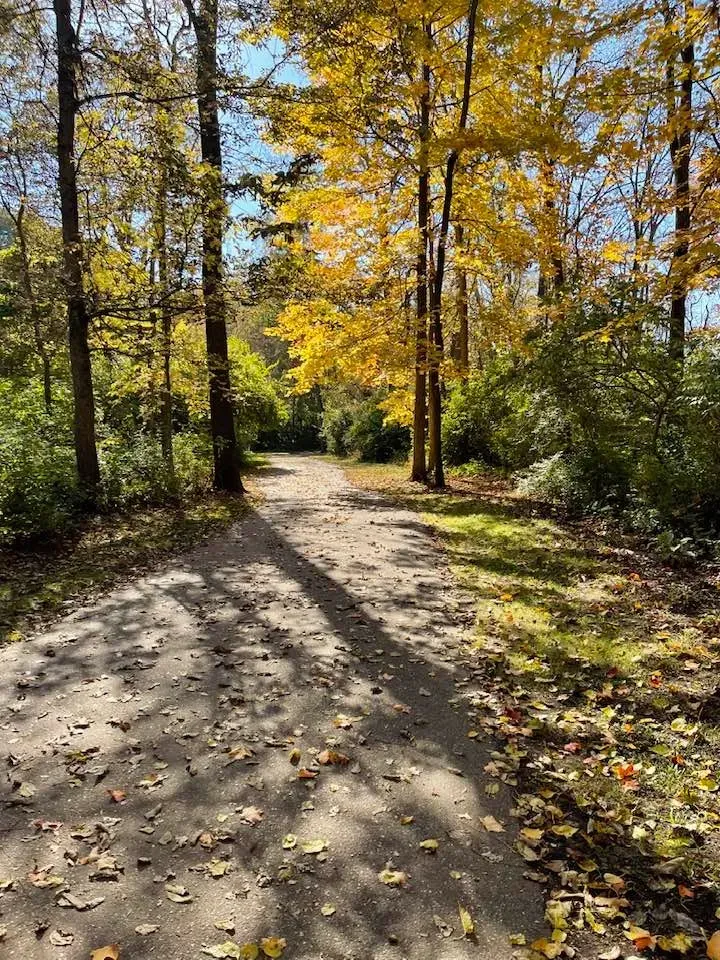
- Photo taken at Flushing County Park, Michigan